

Overcoming gambling addiction A guide to finding hope and recovery
Understanding Gambling Addiction
Gambling addiction, also known as pathological gambling or compulsive gambling, is a behavioral disorder that can lead to severe consequences. Individuals may find themselves unable to control their urge to gamble, regardless of the financial, emotional, or social ramifications. This addiction often manifests itself through escalating bets and a preoccupation with gambling, resulting in detrimental impacts on personal relationships and financial stability. For those seeking quality entertainment, Mafia Casino offers a range of gaming options that can be tempting but may also escalate gambling habits.
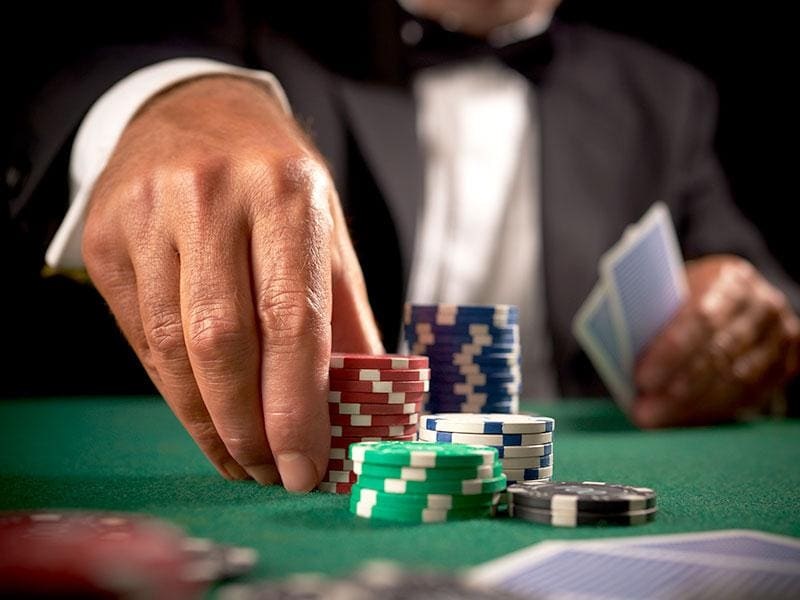
Recognizing the symptoms of gambling addiction is crucial for effective intervention. Many individuals experience feelings of restlessness or irritability when not gambling, a compulsive need to gamble with increasing amounts of money, and repeated unsuccessful attempts to cut back. These signs can lead to significant distress and disruption in daily life, emphasizing the importance of understanding gambling addiction as a serious mental health issue.
Awareness is the first step toward recovery. Many people may not recognize their gambling habits as problematic until they face serious consequences. The stigma surrounding addiction can prevent individuals from seeking help, leading to further isolation and despair. By opening up discussions about gambling addiction and its impacts, society can foster a more supportive environment for those seeking recovery.
The Journey to Recovery
Embarking on the path to recovery from gambling addiction is a courageous step that often involves a blend of self-reflection, support, and professional help. It begins with acknowledging the problem and understanding the underlying emotions or circumstances driving the behavior. Many individuals find it helpful to keep a journal to reflect on their gambling experiences and the triggers that lead to compulsive behavior, which can illuminate patterns and facilitate change.
Support networks play a vital role in the recovery journey. Whether through family, friends, or support groups, connecting with others who share similar experiences can provide comfort and motivation. Many find strength in groups such as Gamblers Anonymous, where individuals come together to share their stories and strategies for coping with addiction. This communal support not only fosters accountability but also diminishes feelings of isolation.
Professional counseling is also a cornerstone of recovery. Therapists specializing in gambling addiction can offer strategies and tools tailored to individual needs, helping to address the cognitive and behavioral patterns associated with gambling. Cognitive-behavioral therapy (CBT) is particularly effective, as it assists individuals in understanding the thoughts that contribute to their gambling behaviors, ultimately leading to healthier coping mechanisms.
Strategies for Long-Term Success
Developing effective strategies for long-term success in overcoming gambling addiction is essential for maintaining recovery. One effective approach is setting clear and achievable financial limits. This could involve establishing a strict budget for discretionary spending, ensuring that any entertainment expenses do not compromise essential living costs. Keeping track of money spent on gambling can help create awareness and accountability.
Another effective strategy is to identify and avoid triggers that can lead to gambling urges. For many, this could mean avoiding environments associated with gambling, whether it’s physical locations or online platforms. Exploring alternative activities that promote enjoyment and fulfillment can also replace the need for gambling. Engaging in hobbies, exercise, or social events can help rebuild a sense of purpose and connection that may have been lost.
Mindfulness techniques, such as meditation and deep-breathing exercises, can also be beneficial in managing cravings and emotional triggers. These practices encourage a greater awareness of one’s thoughts and feelings, enabling individuals to respond to urges without acting on them. By incorporating these techniques into daily routines, individuals can strengthen their resilience against relapse and foster a healthier lifestyle overall.
The Role of Family and Friends
The support of family and friends is a critical aspect of recovery from gambling addiction. Loved ones can play a transformative role by providing emotional support, understanding, and encouragement throughout the recovery process. Open and honest communication about the struggles associated with gambling addiction can help create an atmosphere of trust, allowing the individual to feel less alone in their journey.
It’s important for family members and friends to educate themselves about gambling addiction to better understand the challenges their loved one faces. This knowledge can foster empathy and enable them to offer constructive support without judgment. Establishing healthy boundaries and encouraging the individual to seek professional help can further aid in their recovery efforts.
In some cases, family therapy may be beneficial, as it allows for collective healing and understanding within the family unit. This type of therapy encourages open dialogue about the effects of gambling addiction on relationships and fosters a collaborative approach to addressing issues. Such support can be a powerful motivator for change and contribute significantly to an individual’s successful recovery journey.
Finding Help and Resources
Finding appropriate help and resources is essential for anyone struggling with gambling addiction. Many organizations offer counseling, helplines, and support groups tailored to those affected by this addiction. Online resources can also be invaluable, providing information on recovery strategies, personal stories, and professional guidance to help individuals navigate their path to recovery.
It’s crucial to remember that seeking help is a sign of strength, not weakness. Many communities have local support groups that can offer face-to-face interaction, fostering a sense of belonging. Additionally, numerous online forums and platforms allow for anonymity while providing access to support and shared experiences, making it easier for individuals to engage without fear of judgment.
Incorporating educational resources about gambling addiction into recovery efforts can also be beneficial. Understanding the psychological and social aspects of addiction can empower individuals to make informed choices. By exploring literature on gambling addiction, attending workshops, and utilizing online courses, individuals can further their knowledge and strengthen their resolve on the road to recovery.

Conclusion: The Path to Hope and Recovery
Overcoming gambling addiction is a challenging journey, but it is also one filled with hope and the possibility of renewal. By understanding the addiction, seeking support, and implementing effective strategies, individuals can reclaim their lives and foster healthier relationships with themselves and others. The journey may be fraught with challenges, but it is also marked by resilience, growth, and the ability to find joy outside of gambling.
As you explore the resources available to you, remember that recovery is a personal journey, and there is no one-size-fits-all solution. Embrace your unique path, and take each step towards recovery at your own pace. In doing so, you can lay the foundation for a life that is fulfilling and free from the chains of gambling addiction.

Join The Discussion